Exploring the Emotional Rollercoaster of Dogs in Competitive Games
Category : gwta |
Sub Category : gwta Posted on 2024-09-07 22:25:23
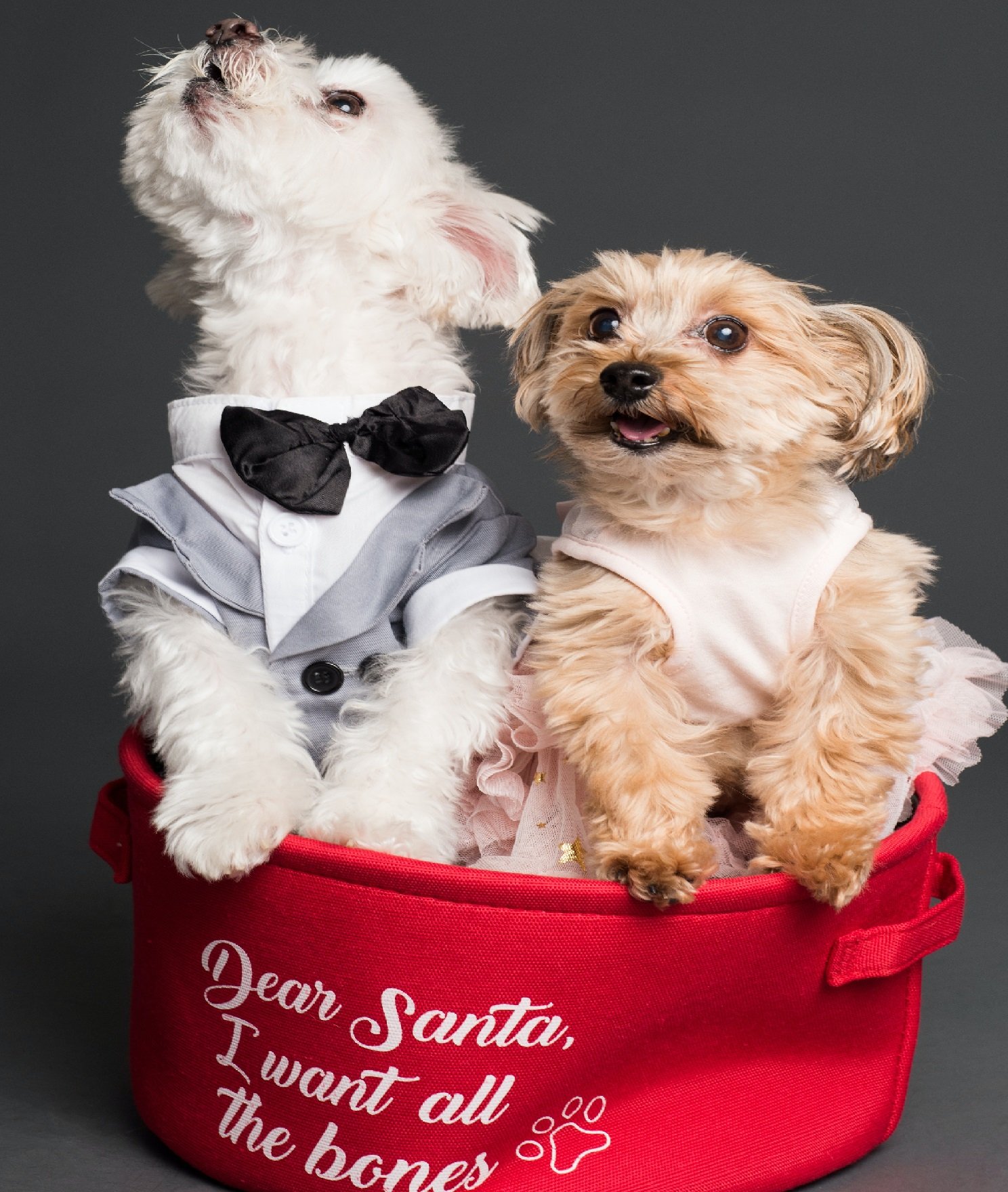
Dogs are known for their playful and competitive nature, often participating in a variety of games and sports alongside their human companions. From agility trials to obedience competitions, these events not only showcase a dog's physical abilities but also their emotions. Just like humans, dogs experience a range of feelings during competitive games, making the experience both thrilling and challenging for them. Excitement is one of the predominant emotions that dogs exhibit when engaging in competitive games. The thrill of the competition, the adrenaline rush of showcasing their skills, and the anticipation of winning can all contribute to a dog's excitement levels. You can see it in their wagging tails, perked-up ears, and eager expressions as they eagerly await their turn to participate. On the flip side, dogs may also experience nervousness or anxiety before and during competitive games. The pressure to perform well, the presence of other competitors, and the unfamiliar environment can all make dogs feel uneasy. This may manifest in behaviors such as pacing, panting, or even avoidance of certain obstacles or tasks. During the actual gameplay, dogs may go through a rollercoaster of emotions, especially if they encounter challenges or obstacles. Frustration can set in if they are unable to complete a task successfully, leading to barking, whining, or even attempts to walk away from the game. However, with positive reinforcement and encouragement from their handlers, dogs can often overcome these hurdles and regain their focus. Another common emotion that dogs experience in competitive games is determination. Just like human athletes, dogs have a competitive spirit that drives them to keep trying and give their best effort despite the obstacles they face. This determination can be seen in their persistent attempts to complete tasks, their focused expressions, and their unwillingness to give up easily. Ultimately, as the game progresses and dogs start to master the tasks at hand, a sense of accomplishment and pride can emerge. Winning a game, receiving praise from their handlers, and achieving personal bests can all contribute to a dog's feelings of fulfillment and satisfaction. This positive reinforcement helps strengthen the bond between dogs and their human companions and motivates them to continue participating in competitive games. In conclusion, dogs are not just participants in competitive games – they are emotional beings who experience a wide range of feelings throughout the process. By understanding and acknowledging these emotions, handlers can better support their canine partners, create a positive and enriching experience for them, and strengthen the bond they share. So, the next time you see a dog competing in a game, remember to appreciate the emotional journey they are on as they showcase their skills and spirit.


